Button
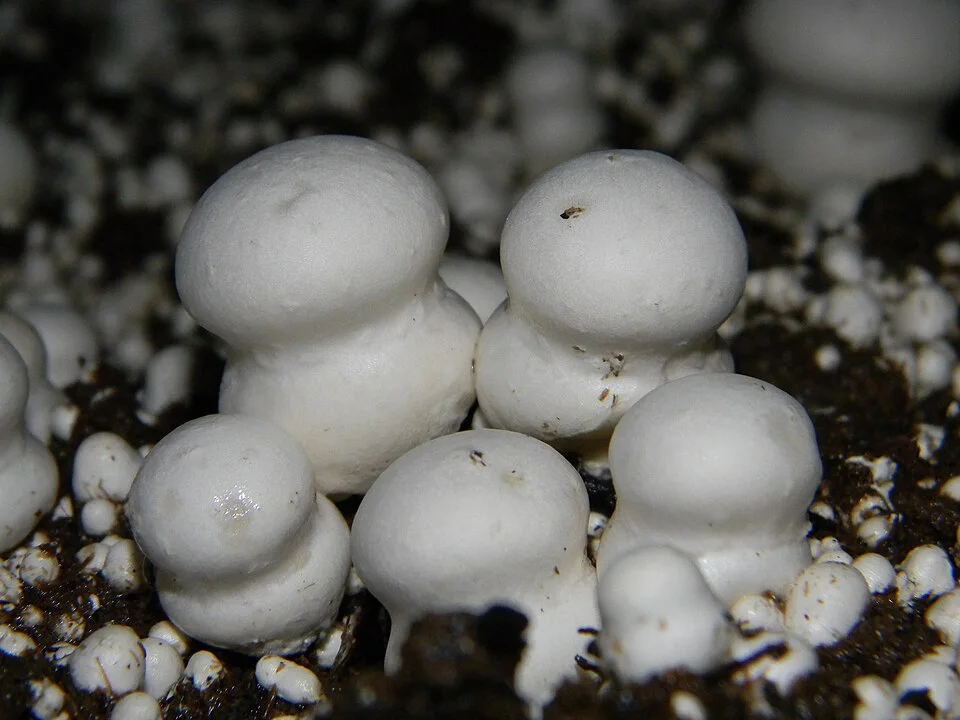
Agaricus bisporusPrepared compost. A casing layer. Careful control of the crop environment.
 MushroomFarming.in
A joint educational initiative by

 ICAR–DMRSolan
A field guide for Indian growers
From your first bag to a commercial grow room. Learn with real crop photographs, step-by-step guides and the science behind each decision.
Start learning I know my crop. Take me to the guide ↓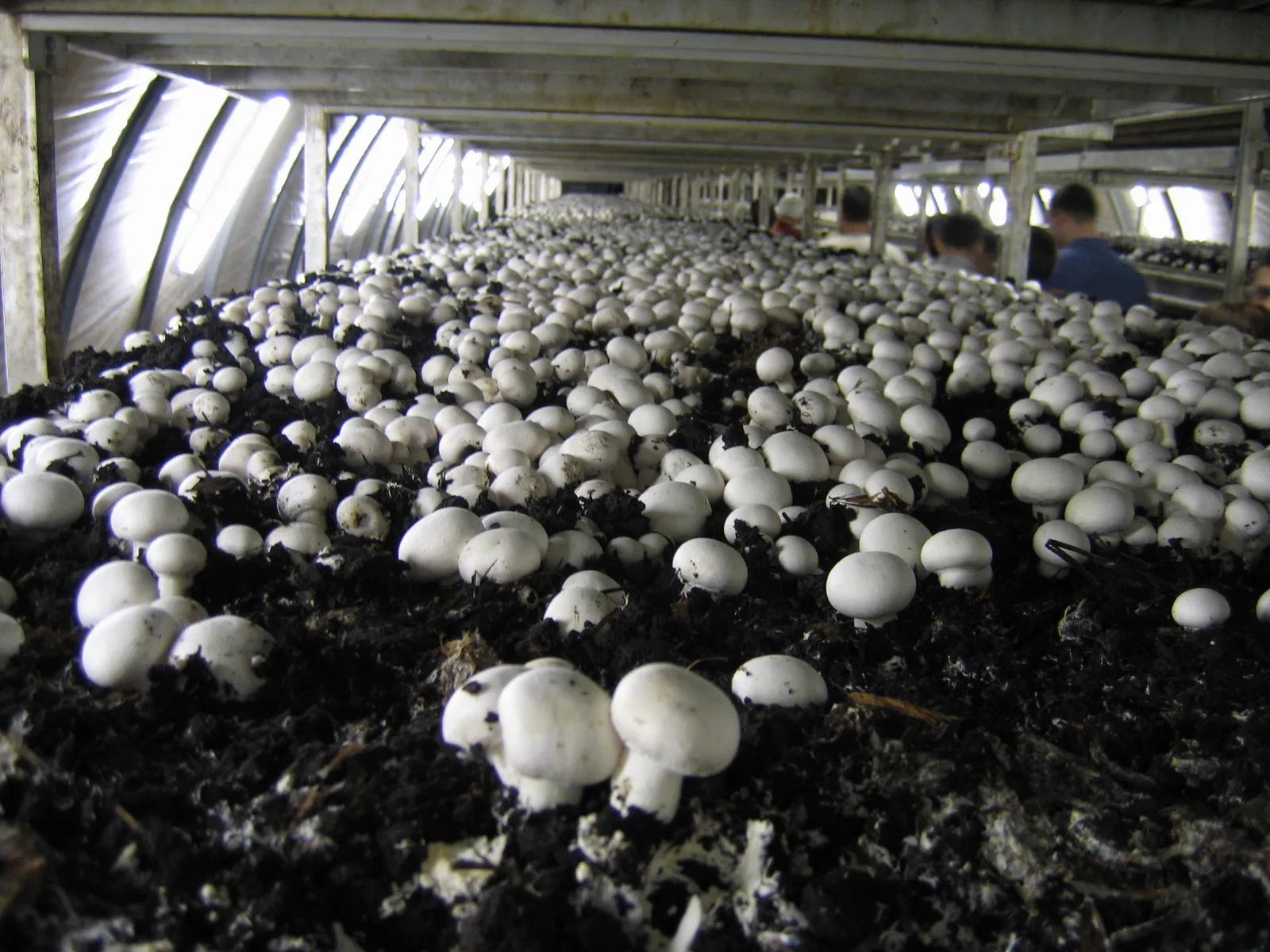
The growing bed is only one part of the system. Compost, water, air and everyday observation work together.
A crop, a process, or a problem.
01 / Choose your crop
Start with your climate, available materials and buyers—not somebody else’s yield promise. Each crop has its own cultivation guide.
Prepared compost. A casing layer. Careful control of the crop environment.
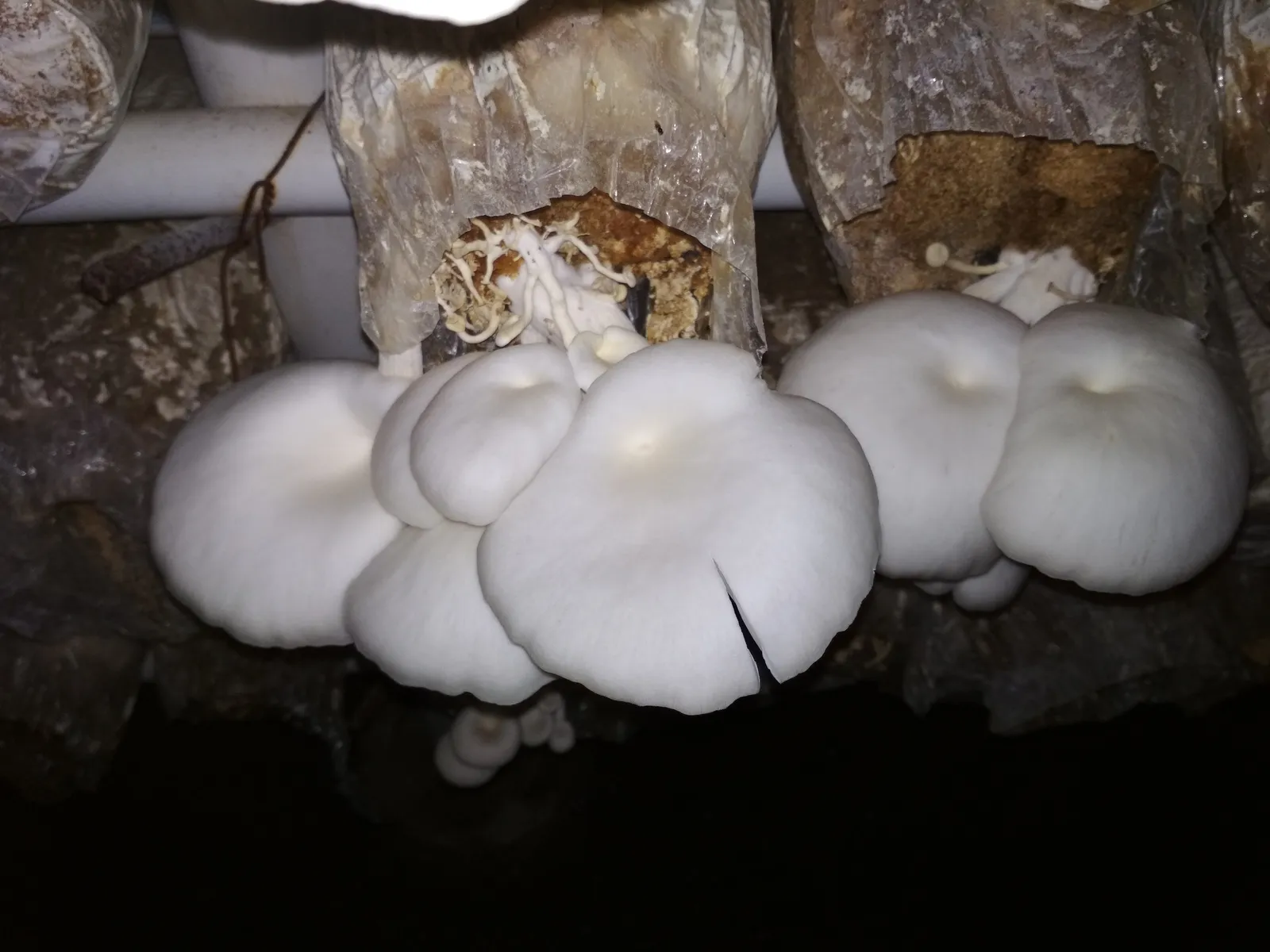
A straw- or wood-based crop. Choose the species and strain for your conditions.
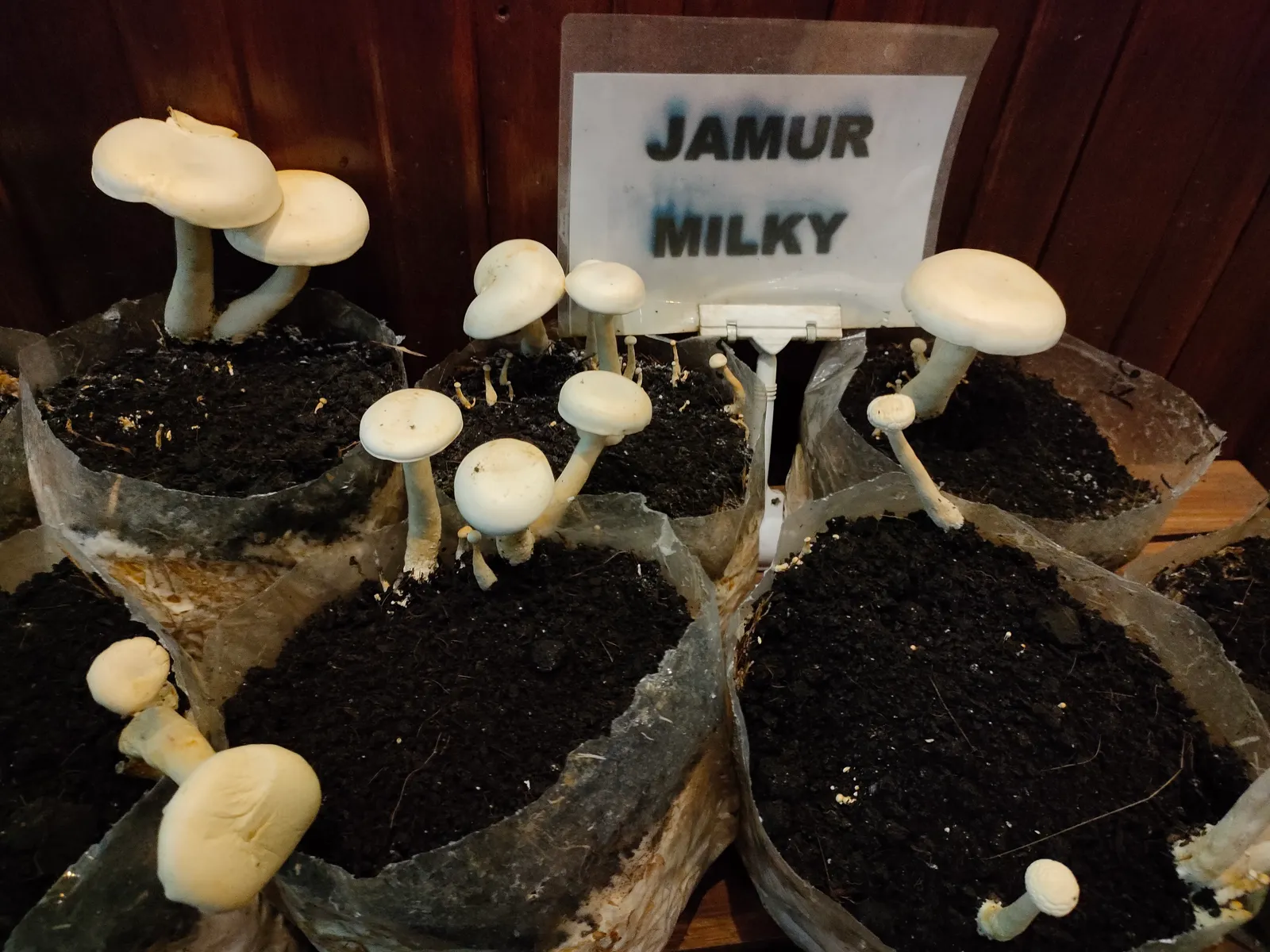
A warm-weather crop with a separate casing and fruiting stage.
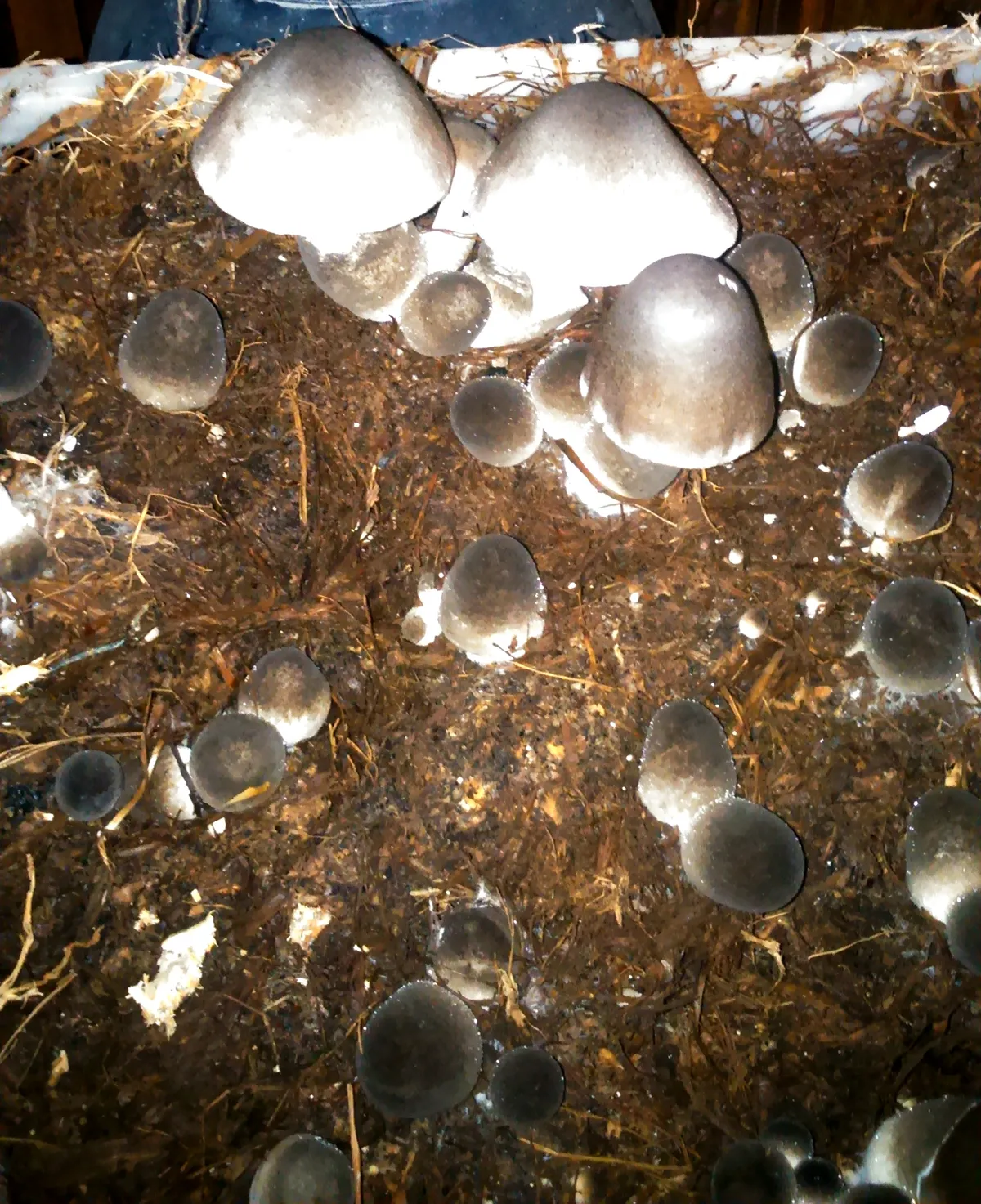
A warm, humid crop with time-sensitive harvesting and marketing.
Look inside the process
Photographs show the crop. Teaching illustrations help explain the layers, materials and room systems you cannot see from the outside.
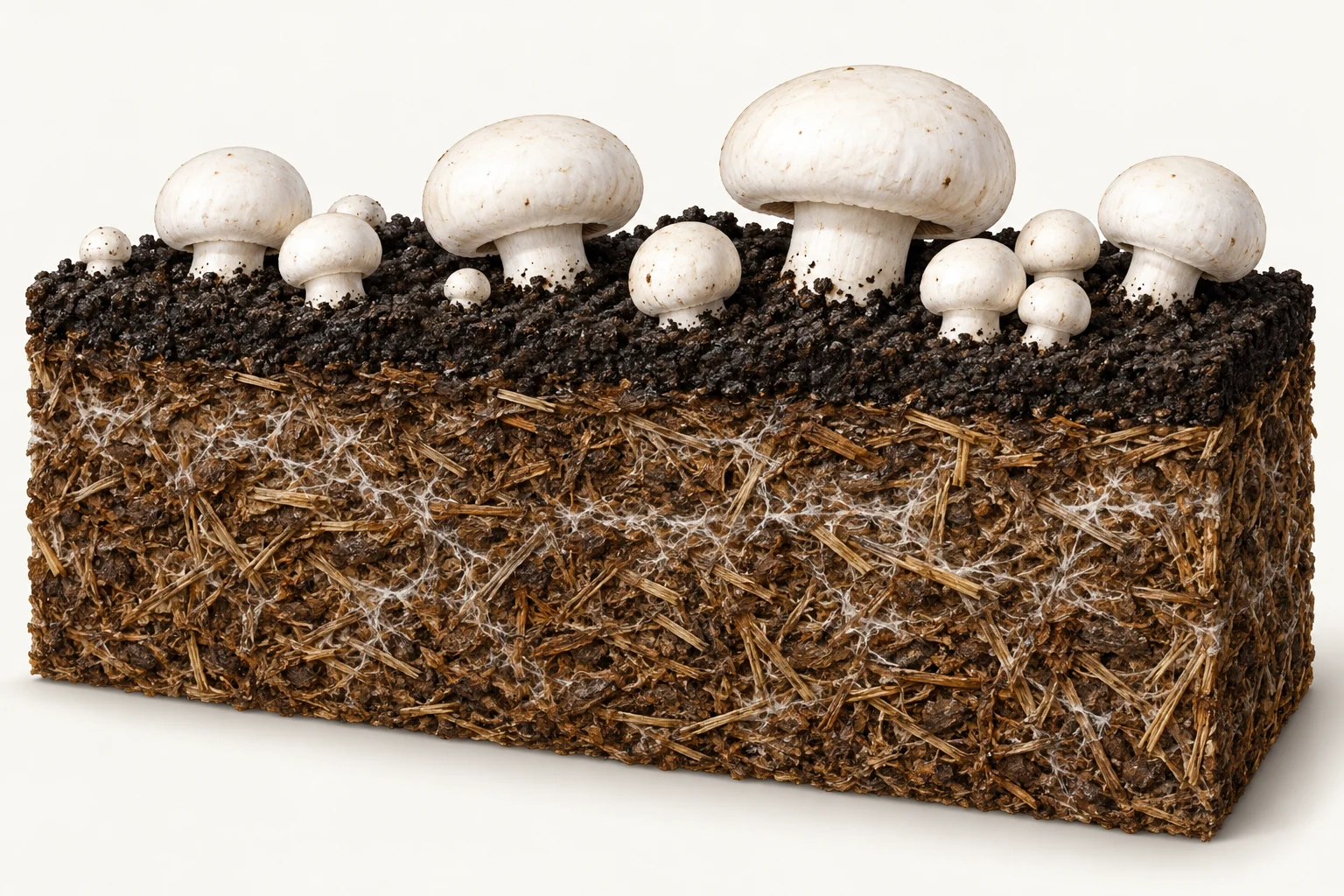
Compost and casing are separate layers with different jobs. The crop needs both a colonised food base and a suitable surface environment.
Conceptual explanation—not a real farm photograph, diagnostic finding or construction specification.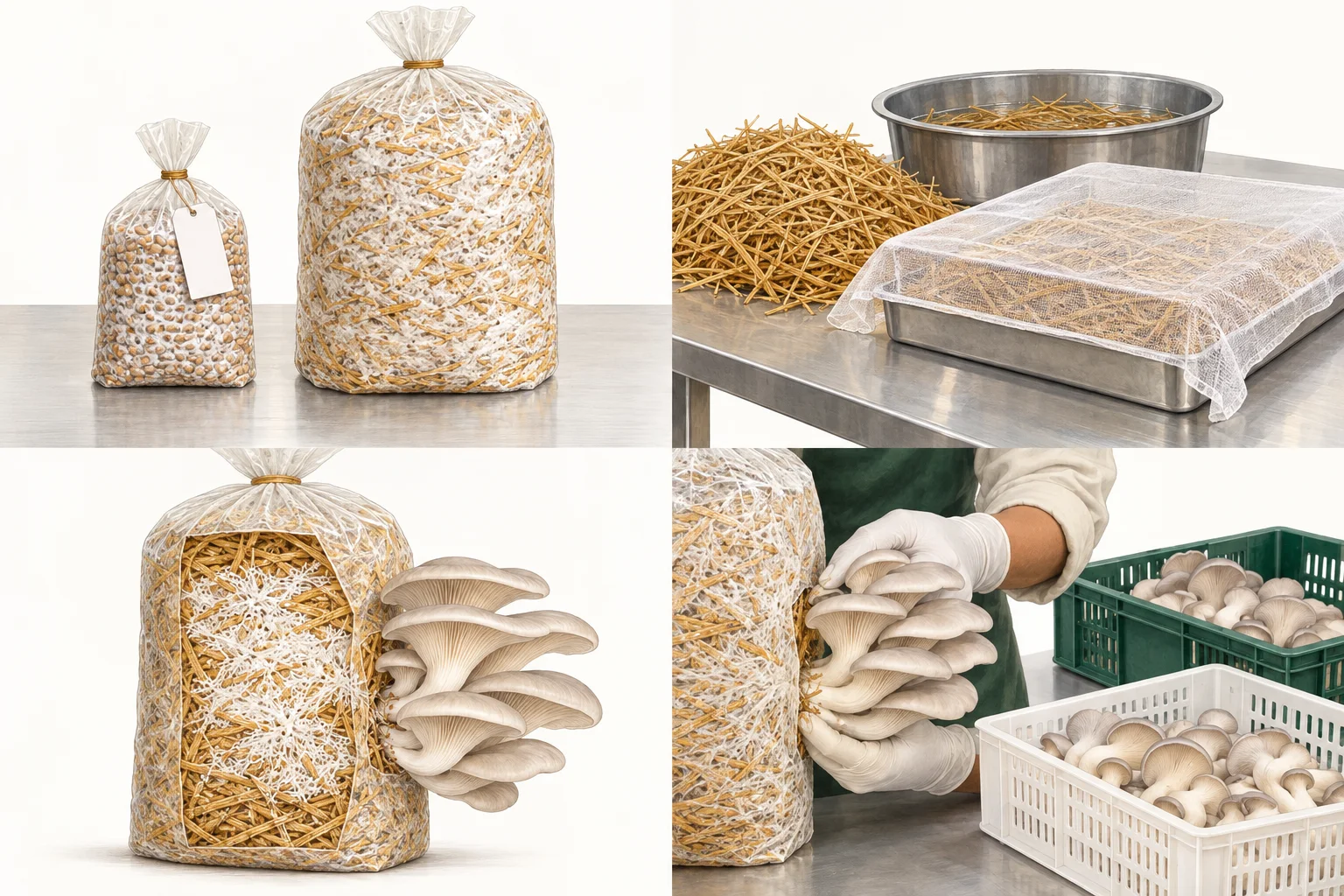
Treated material must remain protected during cooling and handling. Recontamination can happen after an otherwise adequate treatment.
Conceptual explanation—not a real farm photograph, diagnostic finding or construction specification.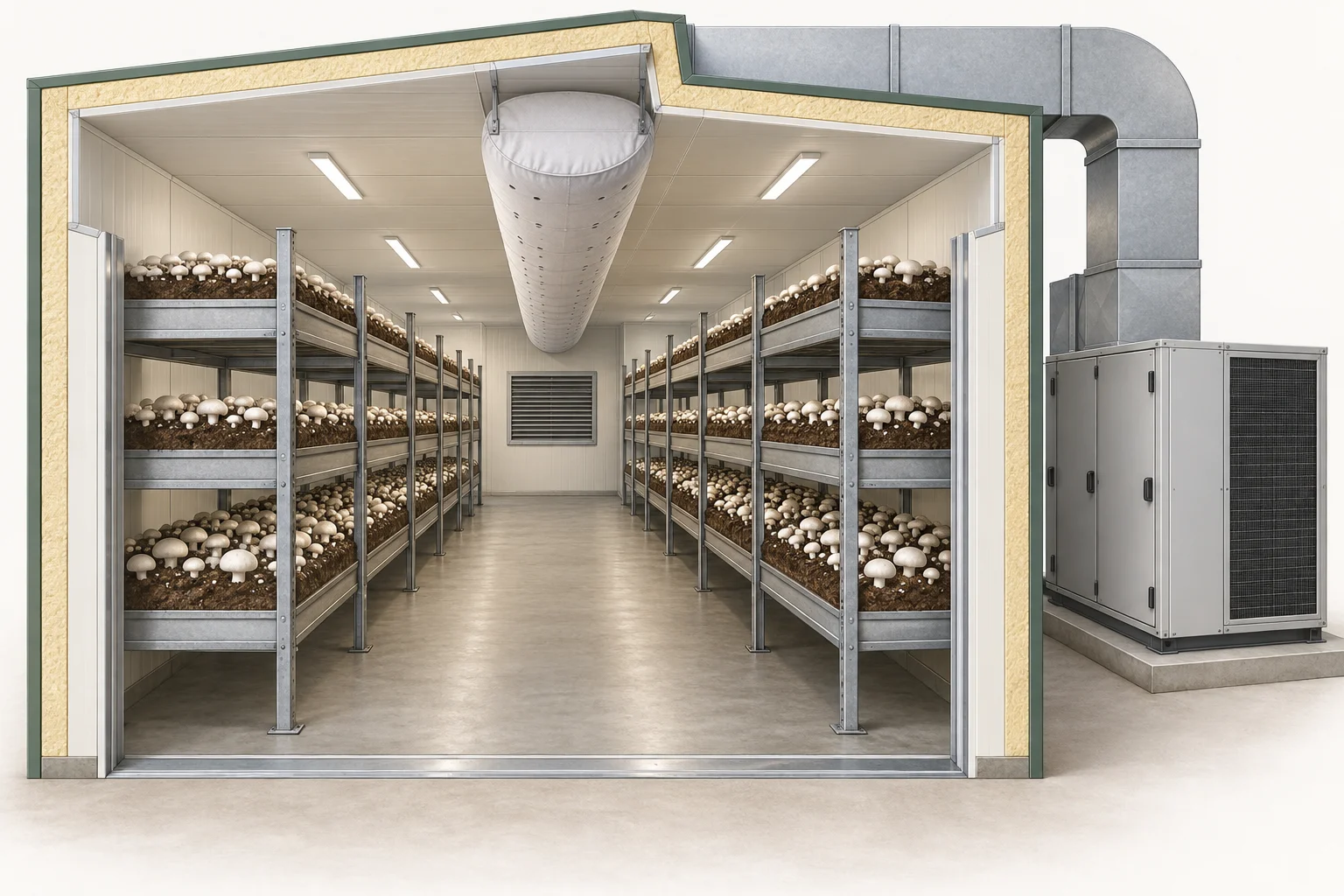
The duct serves a room containing racks and crop. Air delivery must be evaluated in the loaded room. Equipment capacity alone does not demonstrate uniform crop conditions.
Conceptual explanation—not a real farm photograph, diagnostic finding or construction specification.02 / Build your understanding
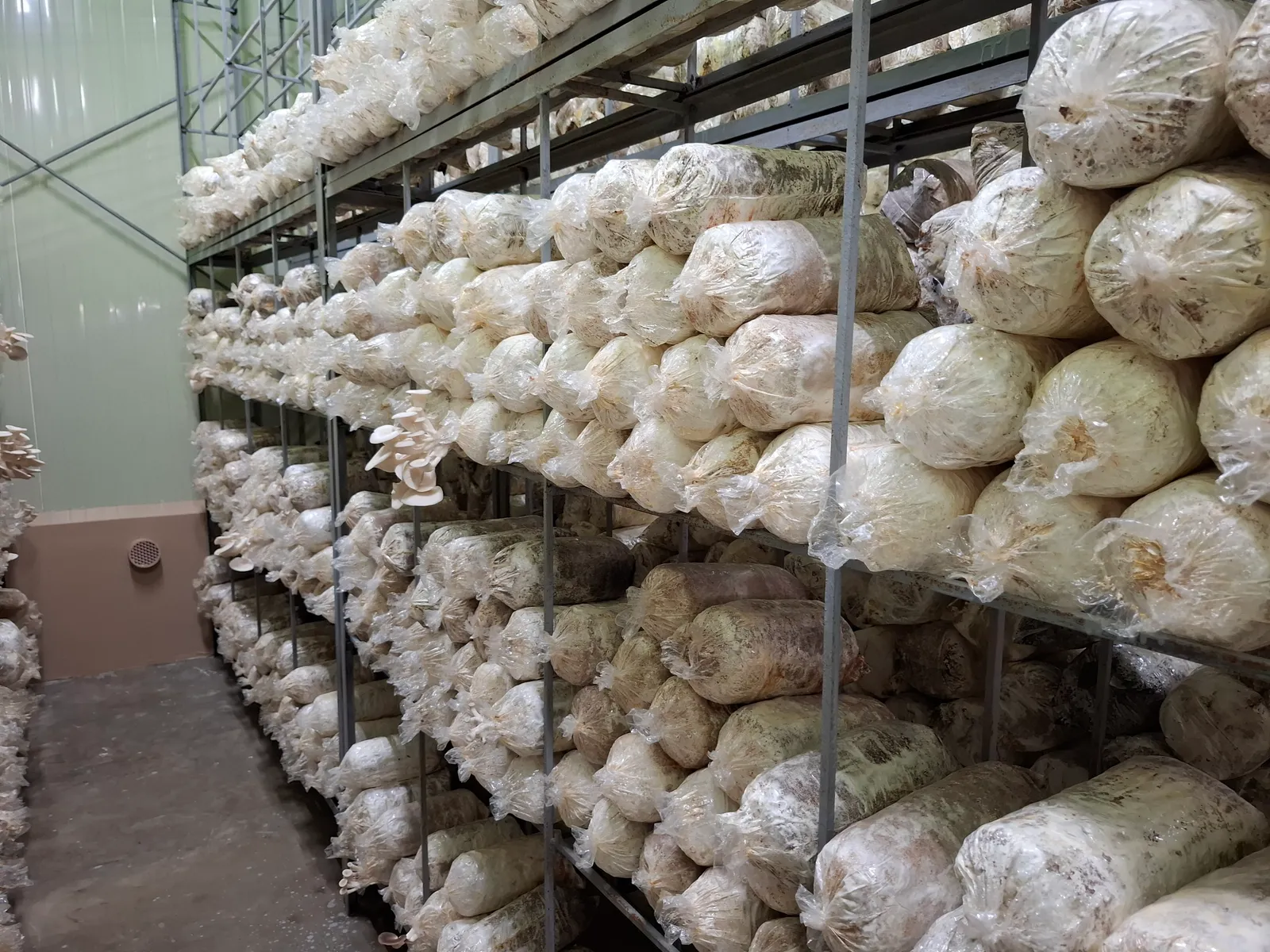
Understand spawn, growing material, hygiene and the work a crop needs.
Follow raw materials through preparation, treatment and batch acceptance.
Understand temperature, water, air movement and the equipment behind them.
Compare symptoms, record the pattern and decide what to check next.
Build a budget from your own quotations, saleable yield and buyer prices.
Learn careful handling, grading, cooling and buyer requirements.
03 / Follow the crop
This is the Button mushroom sequence. Timing changes with compost stage, strain and growing conditions. Oyster, milky and shiitake follow different methods.
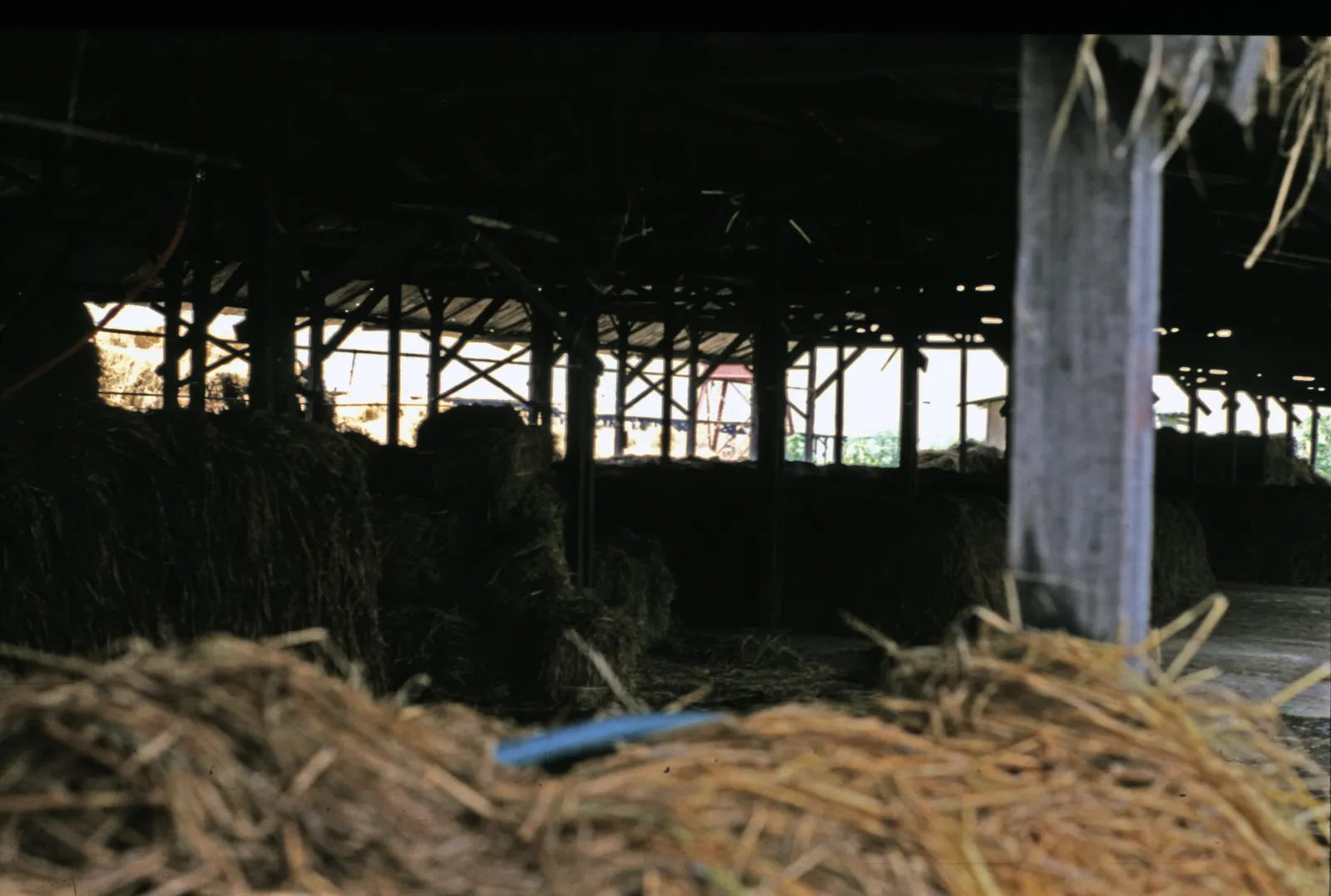
Use the growing material and treatment method required by your crop.
The starting material and the handling area—not a finished growing bed.
Check before moving onIdentify the supplied compost stage and review its batch records. The photograph cannot establish readiness.
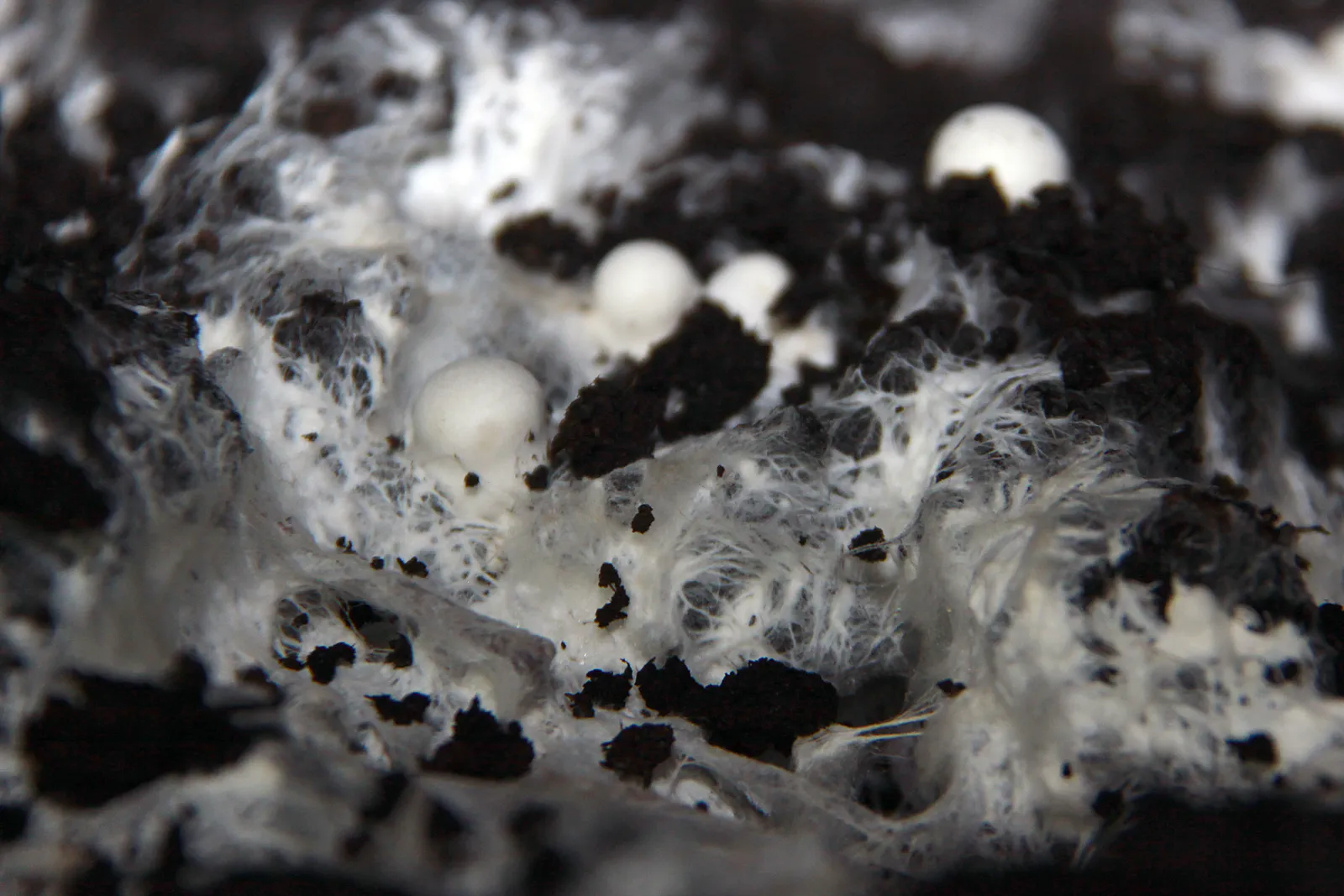
Spawn grows through the prepared material. Record both batch and room conditions.
The white network in the material. Visible growth is only part of the crop history.
Check before moving onKeep the batch, inoculation date and crop-stage records together; a photograph cannot prove purity.
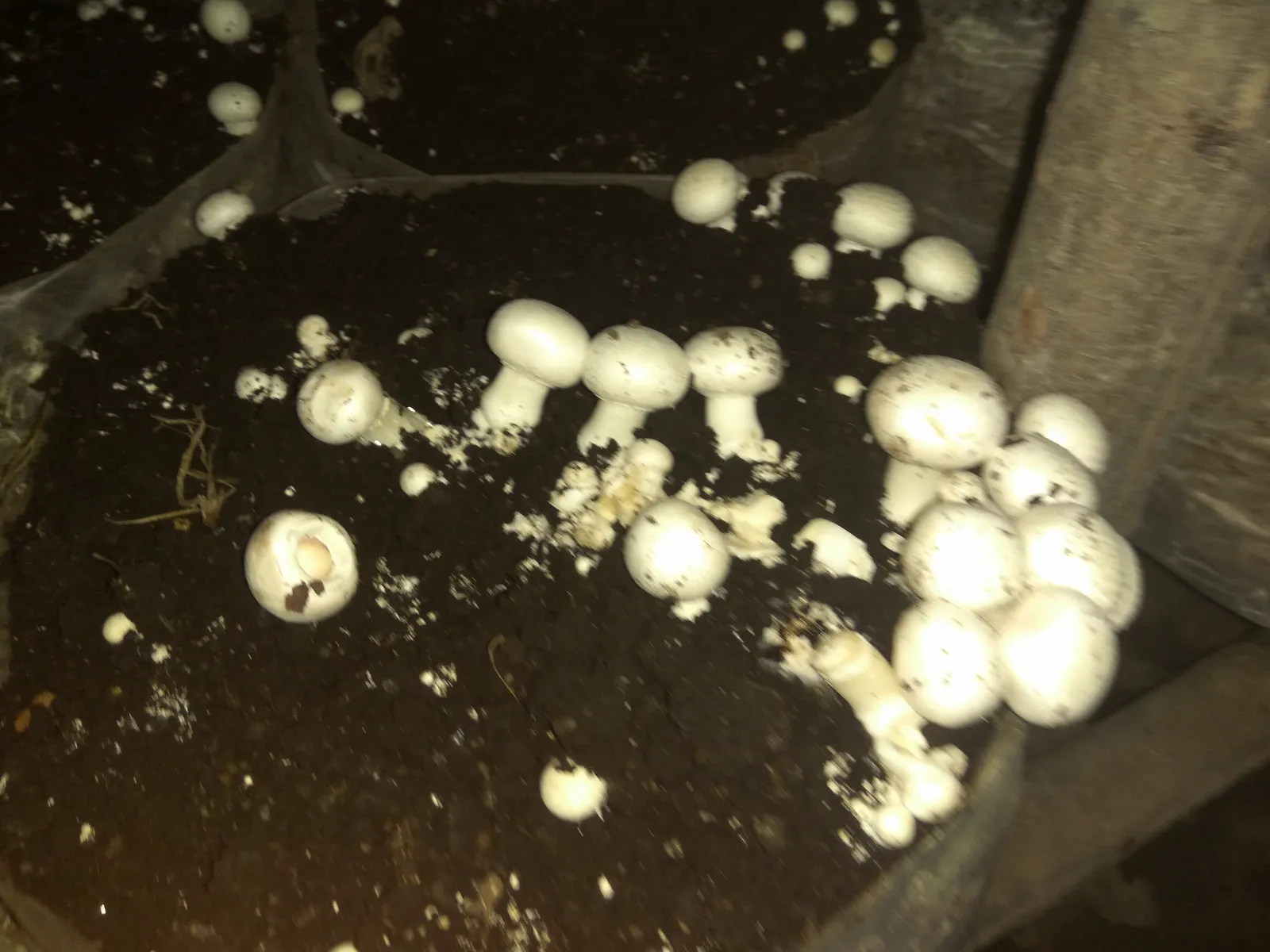
Casing and the fruiting transition are separate stages in a Button mushroom crop.
Small fruit bodies emerging at the casing surface. Look across the bed, not just at one mushroom.
Check before moving onCompare the pattern with recorded crop and room conditions. The appearance alone does not identify the cause of uneven development.
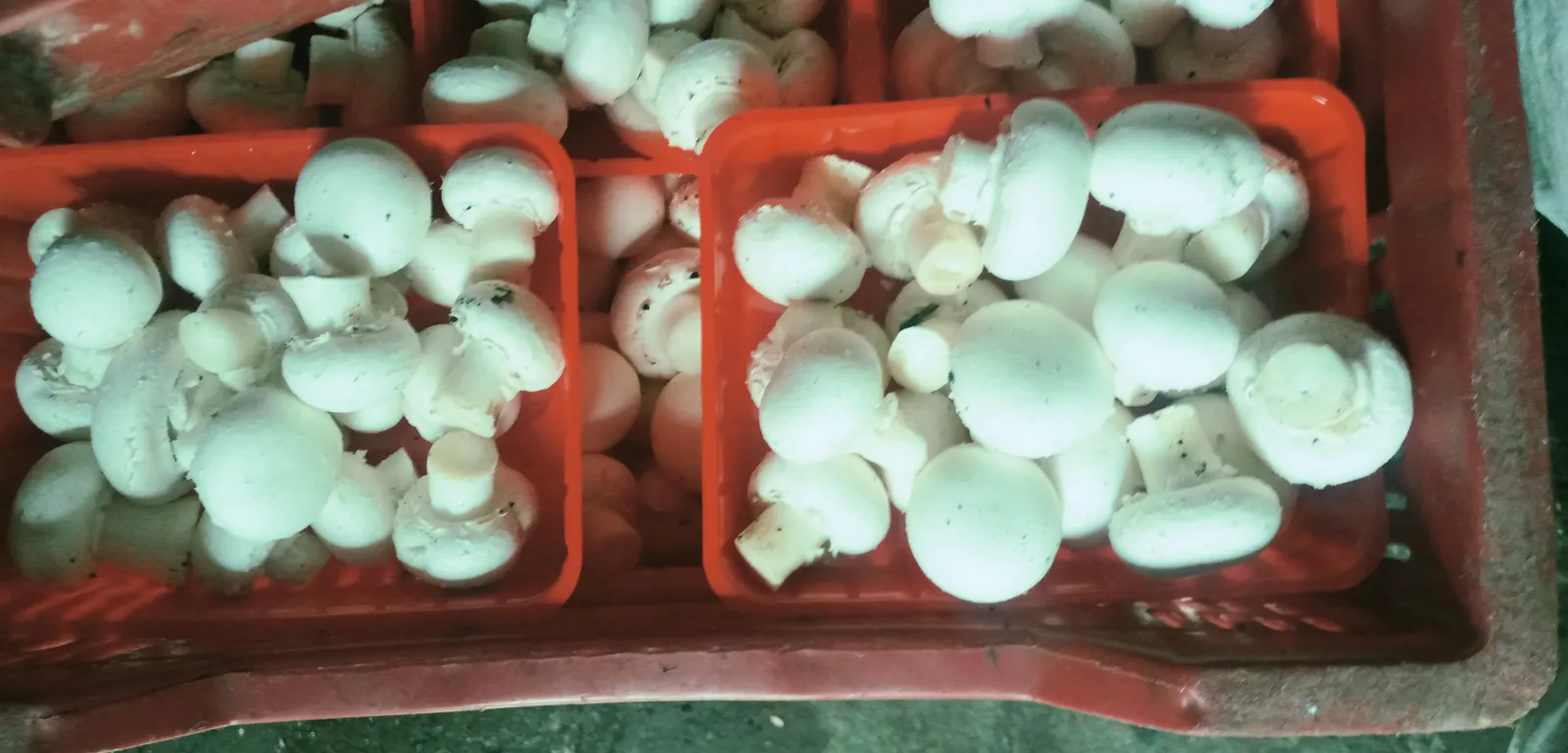
Grade to the buyer’s requirement, protect quality and record what actually sells.
The harvested product and its packaging. Picking, grading and selling are separate steps.
Check before moving onRecord harvested, rejected and saleable weights separately, and confirm the buyer’s grading and handling requirements.
Winter growing / Seasonal Button mushroom
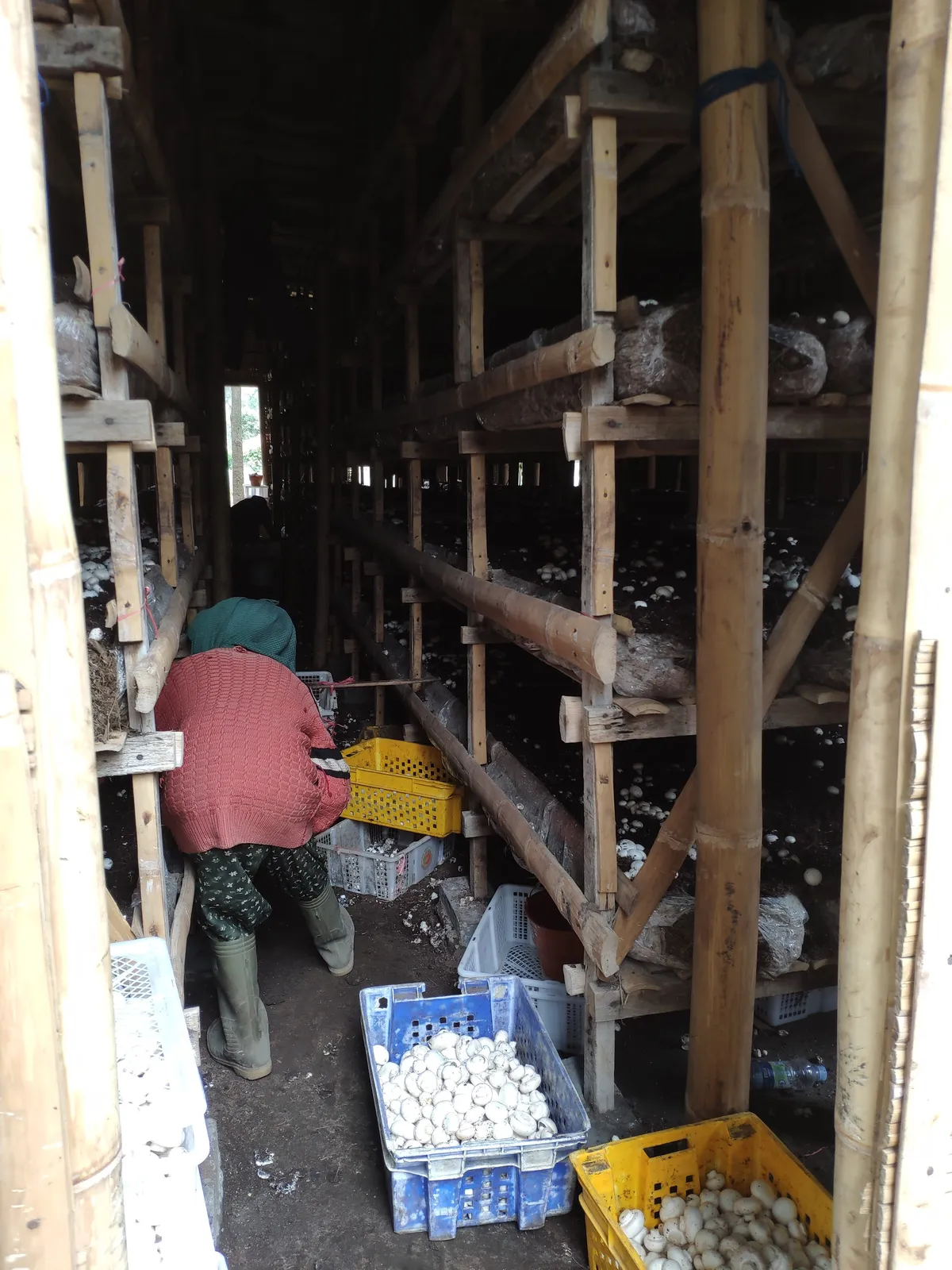
Check your actual seasonal conditions, material supply, hygiene, labour and buyers before building. Understand what a low-cost structure can—and cannot—control.
Compare published photographs, note the crop stage and record where the problem appears. A photograph helps an investigation; it cannot confirm a pathogen.
Open the crop problem guideSeparate construction and equipment from crop costs, unsold produce and working cash. Test your plan against lower prices, crop losses and delayed payments.
04 / Keep learning
Read the process, watch a demonstration, and keep a record of what happens in your own crop.
Lessons, field exercises and checks for understanding.
Video classroomSource-linked demonstrations with companion reading.
Field toolkitChecklists, field sheets and crop observations.
Sources & referencesFind the original documents and understand their scope.
Learn · Explore the market · Plan your farm
Understand the crop, practise the work and assess the risks before you invest.
Read the illustrated farming books →Explore mushroom buyers, sellers, available stock and price information. Confirm every trade directly.
Explore the mushroom marketplace ↗Discuss a commercial farm, growing rooms, compost units, equipment or a scoped project quotation.
Discuss a mushroom farm project ↗Separate websites with complementary roles. Marketplace listings are not guaranteed buyers, and commercial proposals are not scientific evidence. How to use the three sites together →
Full chapters, real cultivation photographs, decision tables and worked examples.
Work from your room, season and buyer to one manageable crop. Learn what each material does, what to prepare and how to recognise progress.
4 detailed chaptersUnderstand each handoff: prepared compost, spawning, colonisation, casing, pinning, harvest and the next crop.
4 detailed chapters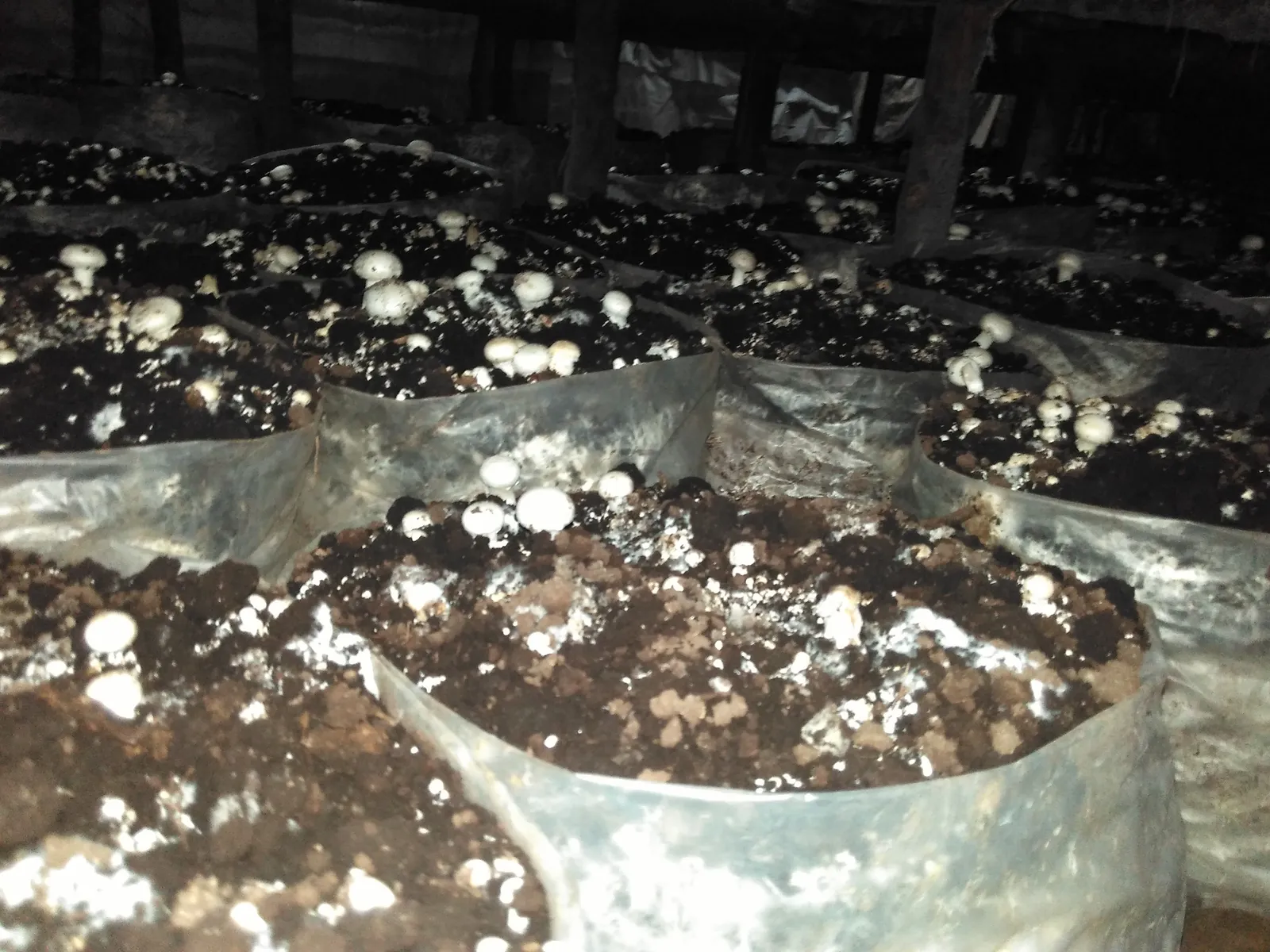
Follow raw materials through wetting, Phase I, Phase II and release. Learn what measurements mean and how to investigate a failed handoff.
4 detailed chaptersConnect air temperature, substrate heat, humidity, carbon dioxide and air distribution to what the crop is doing.
4 detailed chaptersDescribe the pattern, protect the remaining crop, compare possible causes and prepare a useful record for a crop specialist.
4 detailed chaptersChoose the right species, prepare a repeatable batch, read bag development and organise harvests that buyers can receive.
4 detailed chaptersUnderstand the additional casing operation and learn to distinguish substrate moisture, casing moisture and room humidity.
4 detailed chaptersKeep the cultivation method, bed observations and harvest-to-buyer schedule connected from the start.
4 detailed chapters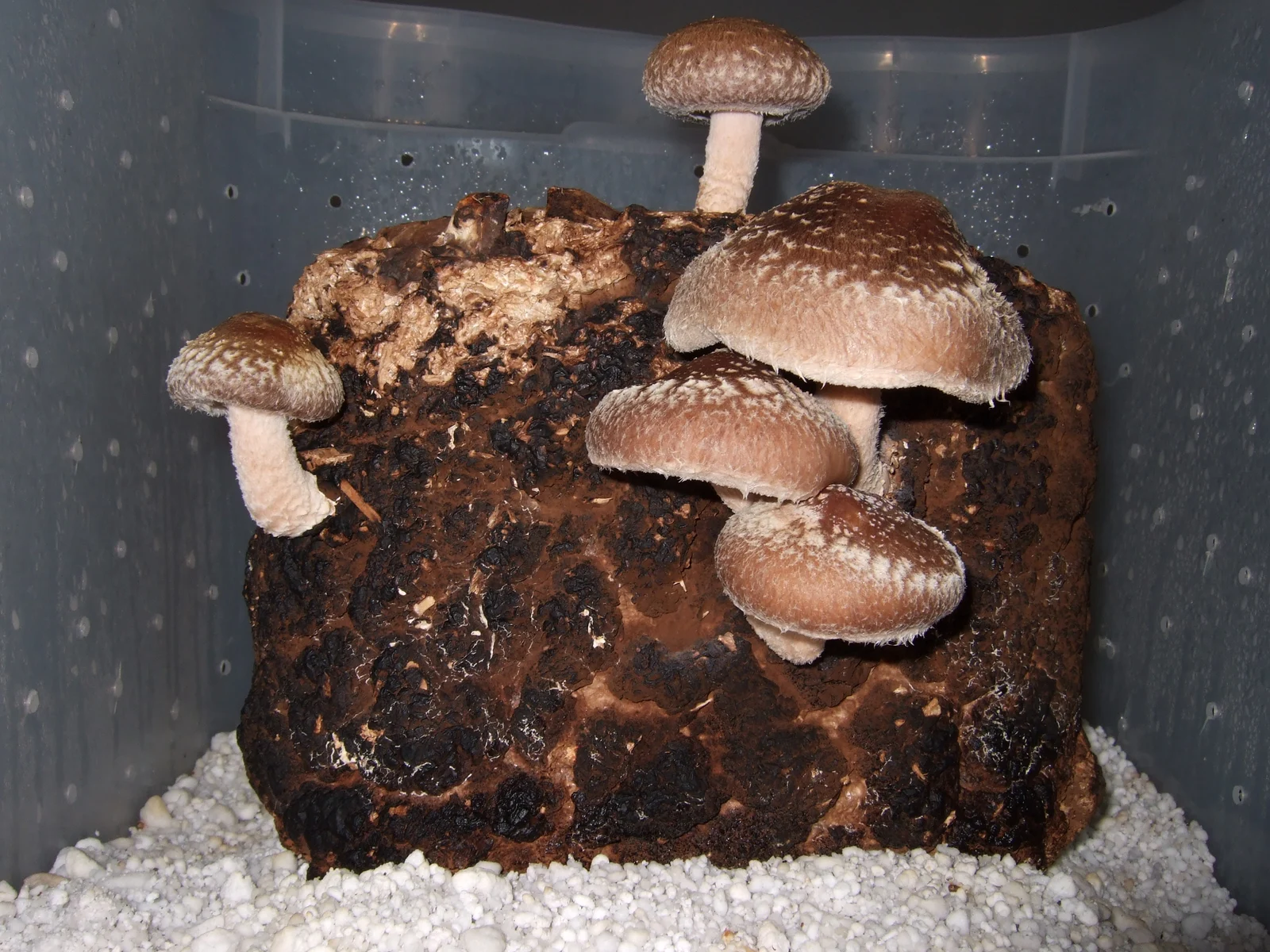
Separate block manufacture, colonisation, browning, fruiting induction and the interval between harvests.
4 detailed chaptersFollow the money from inputs to accepted sales and collected payments. Use a worked example without mistaking it for an earnings promise.
4 detailed chaptersConnect room occupancy, compost supply, harvesting, refrigeration, staffing and buyer demand before comparing quotations.
4 detailed chapters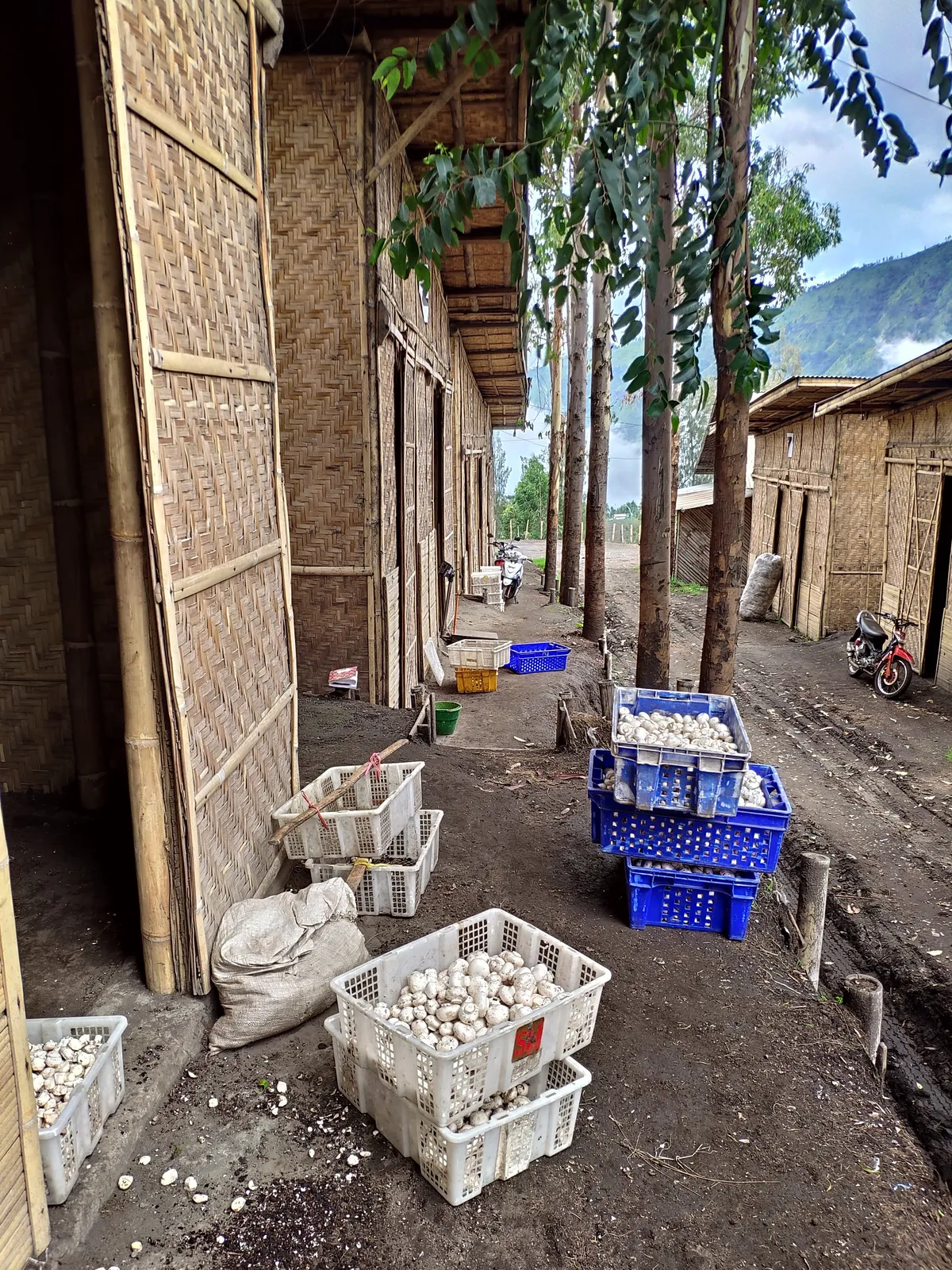
Decide whether the season is long enough, prepare the hut and inputs, and know what to do when outdoor conditions change.
4 detailed chapters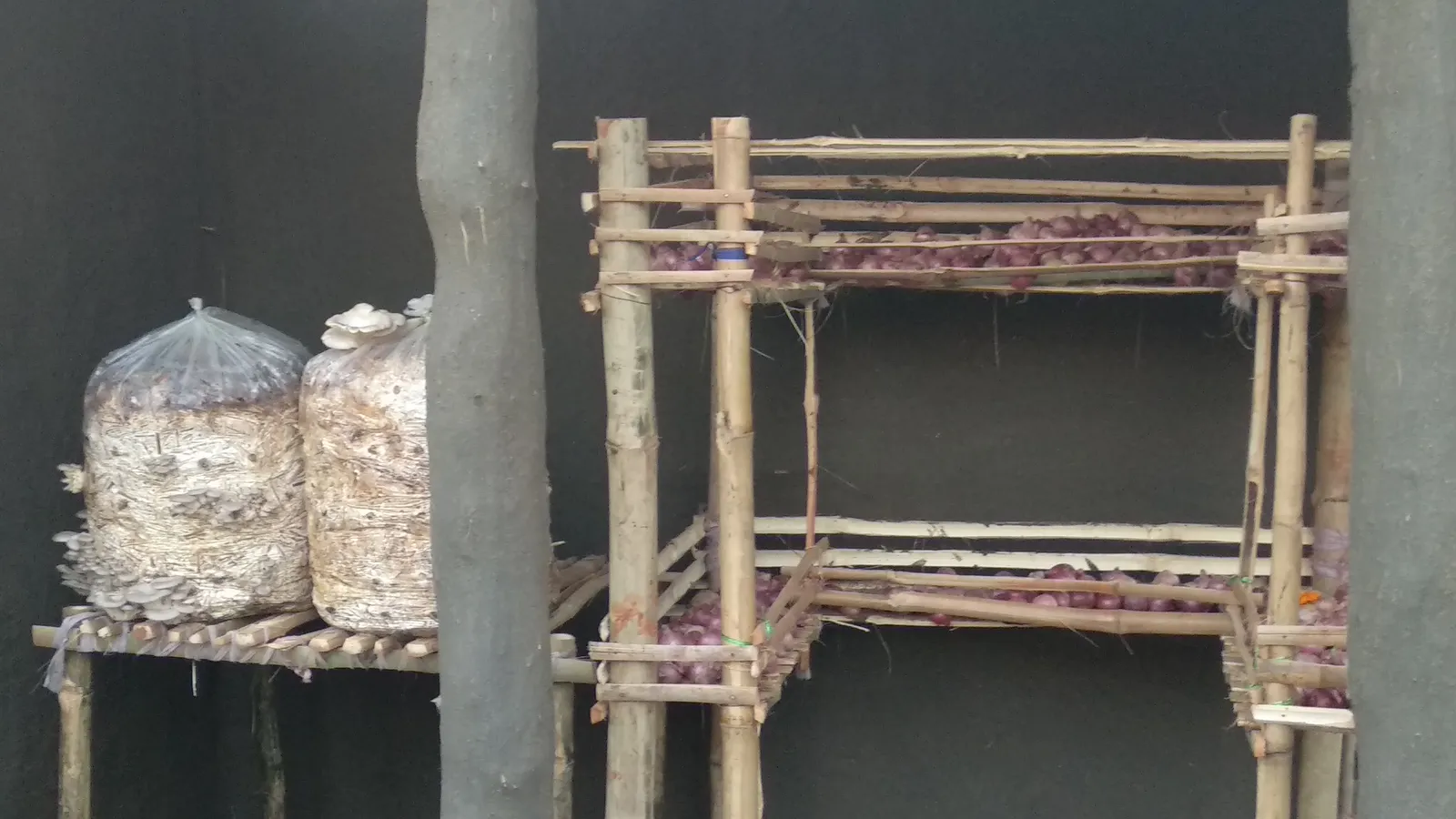
Separate scheme eligibility, application status, lender appraisal and your project's ability to operate.
4 detailed chaptersPublished photographs retain their source and licence. Technical ranges depend on crop stage and method. Educational explanations are not an institutional endorsement, a construction design or a guarantee of yield. Read our editorial and review policy →